

San Pedro Cactus
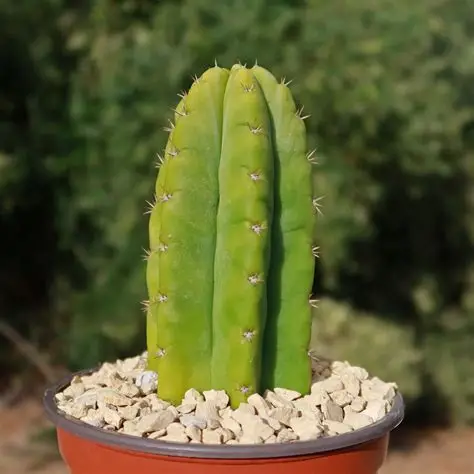
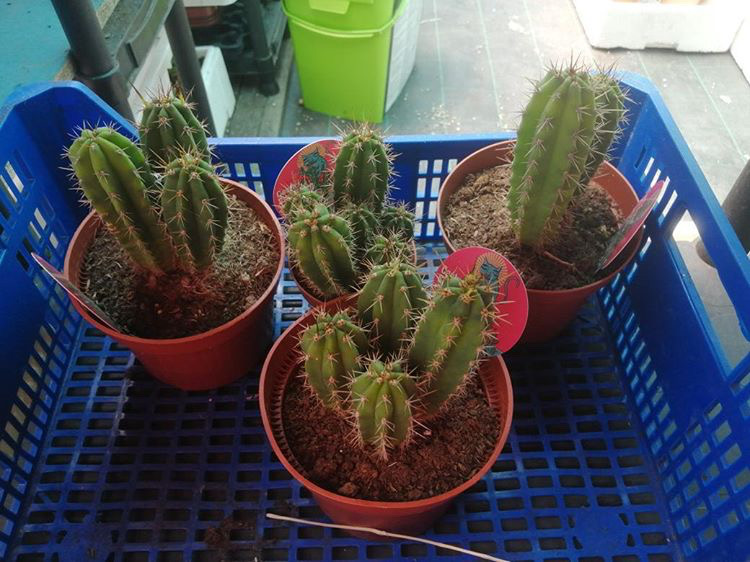
The San Pedro cactus is a fast-growing, columnar cactus native to the Andes mountains, admired for its ribbed bluish-green stems and large, nocturnal blooms. Highly resilient and adaptable, it serves as an impressive architectural outdoor landscape plant or a striking sunny conta
Em stock
Descrição
Common Name: San Pedro Cactus
Latin/Botanical Name: Echinopsis pachanoi (syn. Trichocereus pachanoi)
History & Origin: Native to the high-altitude Andean slopes of Peru, Ecuador, Bolivia, and northern Argentina, the San Pedro cactus thrives in mountain valleys between 6,600 and 9,800 feet above sea level. It has a rich ethnobotanical history spanning over three thousand years, traditionally utilized by indigenous Andean cultures in healing rituals and traditional medicine. Today, it is cultivated worldwide as a remarkably hardy, fast-growing ornamental plant valued for its sculptural stature.
Care & Maintenance Guide:
- Sun / Lighting: San Pedro thrives in full sun to bright, direct light. Outdoors, provide at least six hours of direct sunlight daily. Indoors, place it directly in a south- or west-facing window. Acclimate indoor plants to direct outdoor sun gradually to prevent scarring and sunburn.
- Watering: Water deeply using the soak-and-dry method throughout the spring and summer growing season, allowing the soil to dry out completely between waterings. Reduce watering substantially in autumn and winter during dormancy. Wrinkled, thinning stems signal underwatering, while a soft, discolored base indicates overwatering and potential root rot.
- Soil Type: Optimal growth requires a gritty, highly porous, fast-draining potting medium. A standard commercial cactus mix amended with 50% pumice, perlite, or coarse sand is ideal, thriving best in an aerated mix with a slightly acidic to neutral pH between 6.0 and 7.0.
- Nutrients & Fertilization: Feed once every three to four weeks during the active spring and summer months using a balanced, low-nitrogen liquid cactus fertilizer diluted to half strength. Suspend all feeding during late autumn and winter.
Mais de cactus
Saguaro Cactus
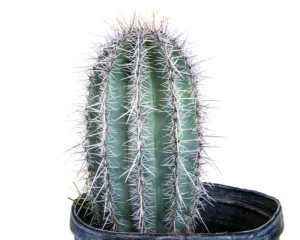
Saguaro Cactus is an iconic columnar cactus recognized for its tall, branching silhouette and ribbed green stems. Native to the Sonoran Desert, it brings a striking desert character to suitable outdoor landscapes and cactus collections.
Desde 358,00 €
Rare Cactus
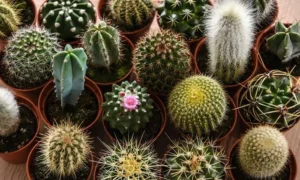
Rare Cactus is a distinctive collector-oriented specimen selected for unusual form, structure, or characteristics. Its scarcity and visual individuality make it an appealing addition to specialist cactus collections and curated succulent displays.
Desde 44,00 €
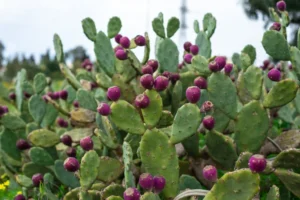
Prickly Pear Cactus
Prickly Pear Cactus, from the genus Opuntia, forms distinctive flat, paddle-shaped segments with spines and seasonal flowers. Its bold structure and adaptability make it a classic choice for xeriscaping, containers, and sunny outdoor gardens.
Desde 31,98 €
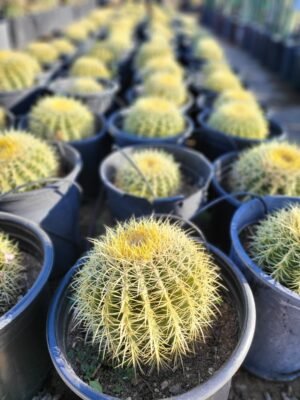
Golden Barrel Cactus
Golden Barrel Cactus is a distinctive globular cactus with a ribbed body covered in golden spines. Its symmetrical shape and low-maintenance nature make it a popular architectural accent for sunny patios, rock gardens, and cactus collections.
Desde 76,00 €