
Peyote Grafted on San Pedro Cactus
Common Name: Peyote Grafted on San Pedro. Botanical Name: Lophophora williamsii grafted onto Echinopsis pachanoi. This rare botanical graft combines the slow-growing, button-like peyote scion with a vigorous, columnar San Pedro rootstock to accelerate growth and enhance hardiness
Em stock
Descrição
Common Name: Peyote Grafted on San Pedro
Latin/Botanical Name: Lophophora williamsii grafted on Echinopsis pachanoi
History & Origin: Peyote is native to the arid scrublands of the Chihuahuan Desert spanning northern Mexico and southwestern Texas, where indigenous cultures have revered it for thousands of years. In its wild habitat, peyote is extremely slow-growing and vulnerable to root rot. San Pedro, by contrast, hails from the high-elevation Andean slopes of Peru and Ecuador, where it evolved as a fast-growing, resilient columnar cactus. Grafting peyote onto San Pedro is a classic horticultural technique developed by succulent specialists to harness the robust vascular system and rot-resistant root base of the rootstock, dramatically accelerating the scion's development while preserving its distinct appearance.
Care & Maintenance Guide:
- Sun / Lighting: Requires plenty of bright, indirect sunlight or filtered morning sun. While the San Pedro base tolerates intense sun, the peyote scion can scorch or turn red under harsh, unshaded midday light. An east-facing or lightly shaded south-facing windowsill is ideal indoors.
- Watering: Water deeply according to the rootstock's needs using the soak-and-dry method during spring and summer, ensuring the soil dries out fully between sessions. Reduce watering significantly in autumn and withhold almost entirely during winter dormancy. Softening or shriveling of the rootstock indicates thirst, whereas yellowing or a mushy base signals overwatering.
- Soil Type: Requires an ultra-porous, fast-draining cactus and succulent mix. Use a medium composed of 60% to 70% inorganic materials—such as pumice, perlite, and coarse grit—with 30% organic cactus compost, maintaining a neutral to slightly acidic pH between 6.0 and 7.0.
- Nutrients & Fertilization: Apply a balanced, low-nitrogen liquid cactus fertilizer diluted to quarter- or half-strength once every four weeks during the active spring and summer growing period. Discontinue feeding completely from late autumn through winter.
Mais de cactus
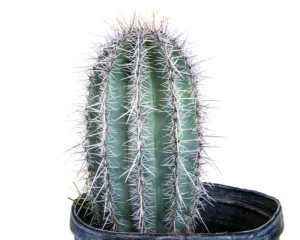
Saguaro Cactus
Saguaro Cactus is an iconic columnar cactus recognized for its tall, branching silhouette and ribbed green stems. Native to the Sonoran Desert, it brings a striking desert character to suitable outdoor landscapes and cactus collections.
Desde 358,00 €
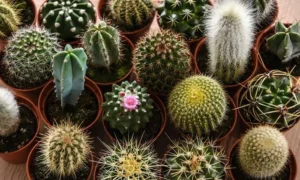
Rare Cactus
Rare Cactus is a distinctive collector-oriented specimen selected for unusual form, structure, or characteristics. Its scarcity and visual individuality make it an appealing addition to specialist cactus collections and curated succulent displays.
Desde 44,00 €
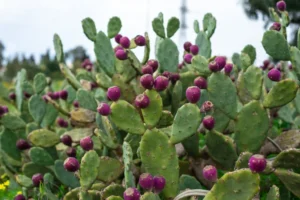
Prickly Pear Cactus
Prickly Pear Cactus, from the genus Opuntia, forms distinctive flat, paddle-shaped segments with spines and seasonal flowers. Its bold structure and adaptability make it a classic choice for xeriscaping, containers, and sunny outdoor gardens.
Desde 31,98 €
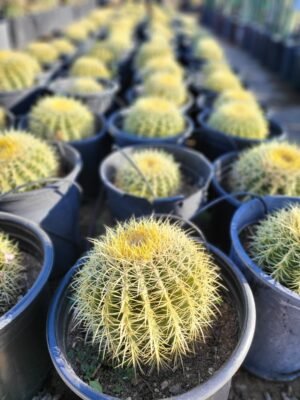
Golden Barrel Cactus
Golden Barrel Cactus is a distinctive globular cactus with a ribbed body covered in golden spines. Its symmetrical shape and low-maintenance nature make it a popular architectural accent for sunny patios, rock gardens, and cactus collections.
Desde 76,00 €